

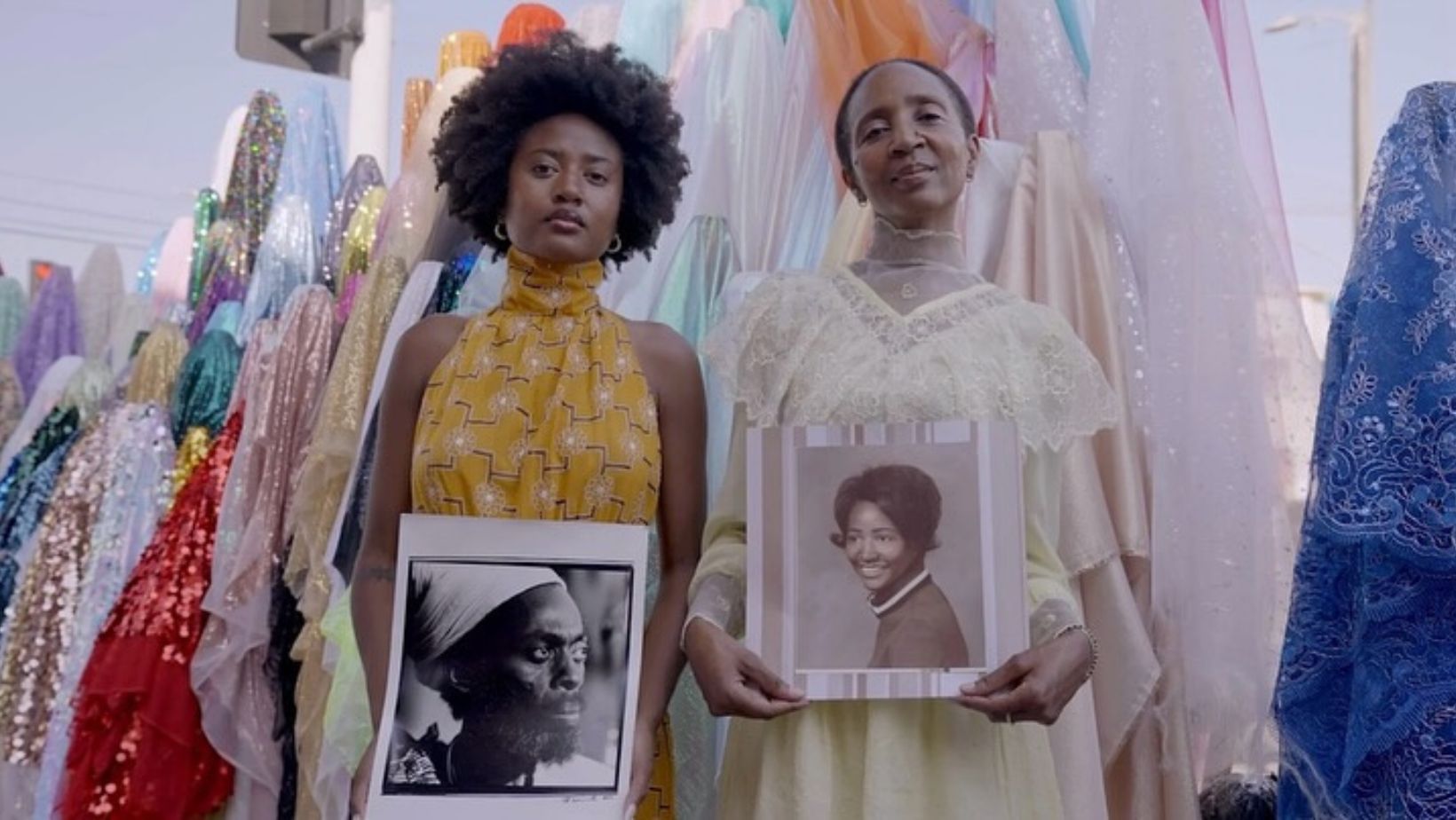
Inside House of Aama’s Living Archive: How Heritage Meets Fashion
At the intersection of heritage and storytelling, there is responsibility, unbridled devotion and discovery. The journey to understand the past and inherit a legacy of stories that came before you comes in many different forms.
Rebecca Henry is from a family of sewers, crafters, quilters and storytellers. Her mother, a genealogist and archivist, curated a collection of scrapbooks, artifacts and memorabilia that documents their family ancestry. Growing up in Louisiana during a time of segregation and divisiveness reinforced the importance of holding on to traditions and passing down legacy and family customs with pride.
Henry recounts growing up in the South, the way Southern folklore was passed down, and how her mother prepared the family as the seasons changed and when they needed new clothes.
“My mother would be the type of person in the summer; she would say, ‘Okay, we need to go to the store, and we need to get the fabric cause I’m just gonna make all my summer dresses,” said Henry.
She explained how her mother was likely making the same dress in multiple fabrics, or how she would upcycle and add personal touches to all of her children’s clothes. “There was always a notion that you just don’t accept stuff that’s in a store, that you need to do something to… make it your own,” Henry continued.
With this dedication to legacy and craftsmanship, Henry became a lawyer, a mother, and the Co-Founder of House of Aama with her daughter, Akua Shabaka.
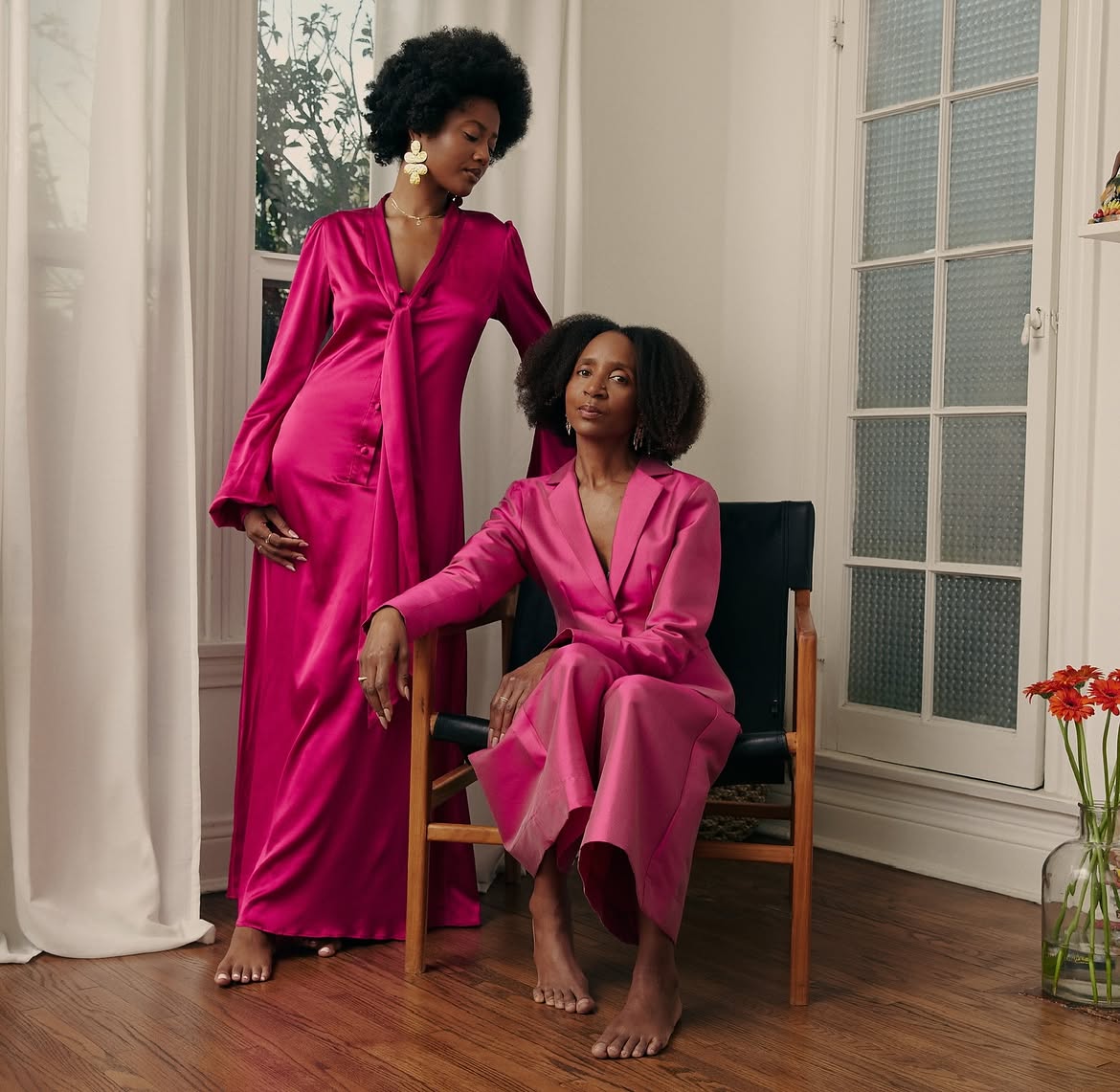
Much like her grandmother, Shabaka became interested in upcycling clothing in high school. Storytelling and discovery have consistently been at the root of their design process. Through Shabaka’s love of vintage clothing and thrifting, she paid attention to older styles or photos of her mom from different eras between the 60s – 90s and observed how those previous styles reflected her own.
Henry, who’s always sewn, started to help her daughter with technical aspects of upcycling like the cutting and sewing of the garments. Together, they began to incorporate specific fabrics and materials to tell a story through their design process. Knowing that these designs and stories could not be kept to themselves, they started an Etsy shop, shared their clothes on Instagram, and attended events like open mics and pop-ups to build brand awareness.
This eventually led the duo to create their first youth collection, ‘Urban Nomad,’ which inspired them to integrate perspectives and narratives in their designs. “We always felt like we were making more than clothes,” said Henry.
Shabaka also finds inspiration from her Cuban legacy on her father’s side. As a fellow keeper of their family history and genealogy, Shabaka’s father passed down photographs and stories of relatives that explore their participation in the Spanish-American War and their Cuban migration.
Now, as the keeper of both sides of the family’s archives, Shabaka continues her father’s legacy of collecting these stories and family artifacts, and she even visited Cuba to build relationships there.
“It was really important for [my father] to talk about it and for his children, us, to really understand who we were and where we came from, and it kind of created a domino effect,” Shabaka said.
The question of “Who are you?” was always prevalent in their home. Unpacking this curiosity may seem complex to others, but for Henry and Shabaka, it was a constant invitation for self-discovery and expression. Understanding who you are is a journey that will last a lifetime. That journey includes embracing the past, taking time to reflect and always staying curious.
Understanding who she was within her family and outside of her home as well, “made me respond in a way of expressing myself in my attire and who I presented myself to be,” Shabaka said.
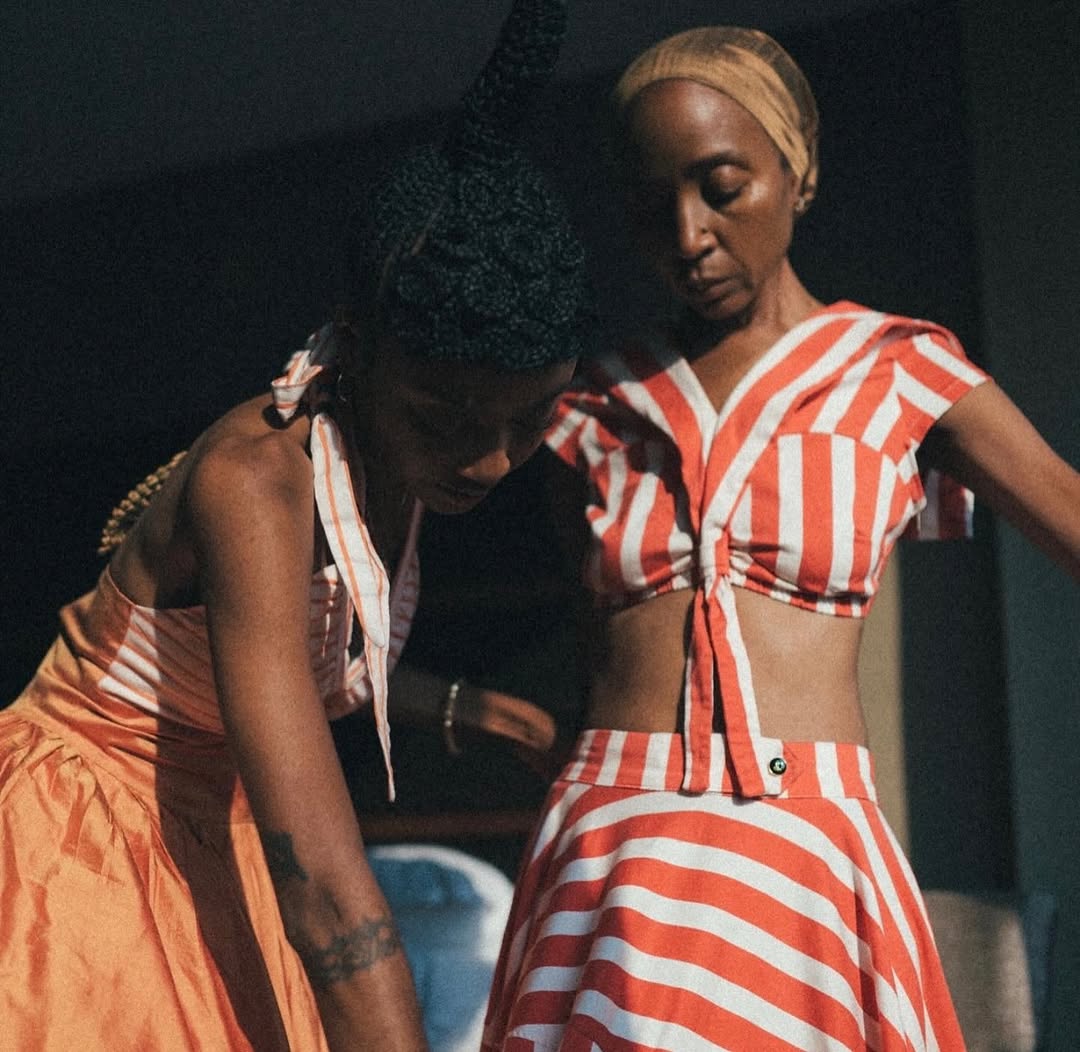
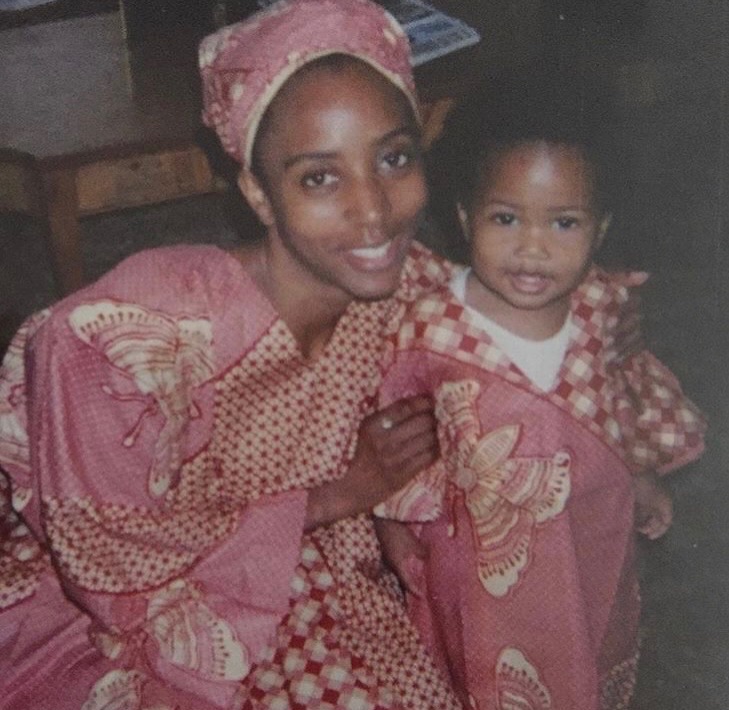
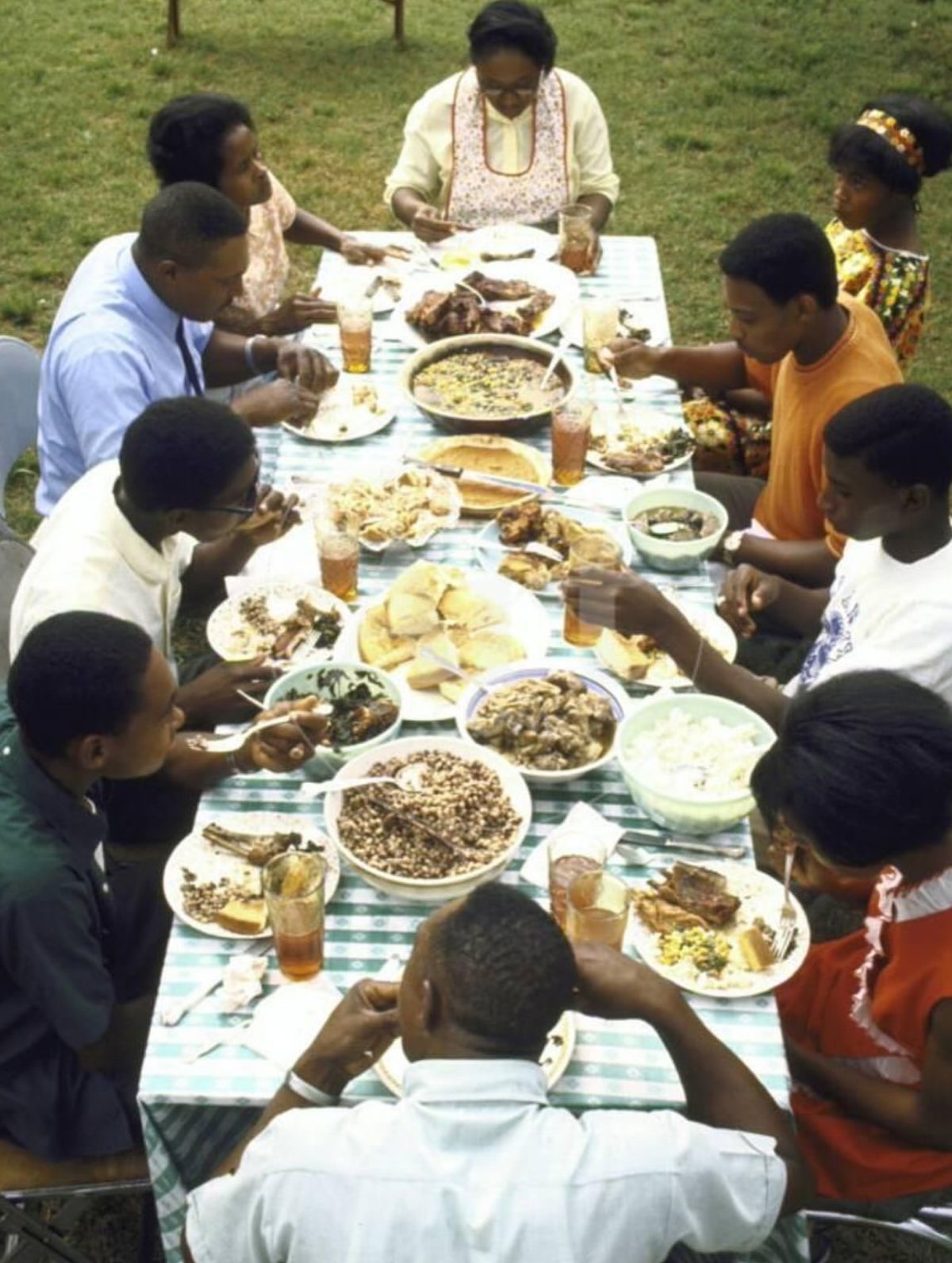
Because of the duo’s own efforts and natural passion for nostalgia, the brand welcomes all who encounter it into the process of discovery through visual storytelling, while inviting consumers to wear these stories and weave them into their own lives. For Shabaka and Henry, House of Aama was never just meant to be a business venture; it’s a vehicle to engage in the work they feel is important and to have a voice in this world.
We are actively living in an age where we are experiencing explicit efforts to erase and silence the voices of Black and Brown Americans. Critical race theory has been restricted or banned from the curriculum in public schools in at least 20 states. The work to evolve and share stories that historically have been erased or undervalued is necessary. To understand who we are as a country, as citizens, as neighbors, as humans, is to embrace the past.
Brands like House of Aama are rare in this industry, and the work that these designers do to preserve, share, and uplift their craft in artfully whimsical designs reminds us that the past doesn’t have to be daunting. It can be both beautiful and colorful, while inspiring both the viewer and wearer to want more.
With pieces that incorporate colorful lace, eyelet fabrics, ruffle silhouettes, and vintage floral and stripe patterns, each item effortlessly transports you to somewhere new, yet nostalgic. A House of Aama piece is something out of a storybook, or a work of art or texture that feels comforting to you.
“We’re in the fashion space, but we’re also archivists, folklorists, and in the art space,” said Henry. Moving as artists contributes to the brand’s mission as storytellers, while “unearthing these stories that exist in a white space that other people aren’t necessarily focusing on, but they’re a part of the American fabric and Americana.”
Through the brand, Henry and Shabaka have found their purpose beyond just the production of clothing. Working together and uncovering their family history in the process has resulted in a sense of passion and purpose that makes all of the hard work of building and fostering a brand worth it. In understanding the story behind House of Aama, it’s clear that the work has been a privilege.
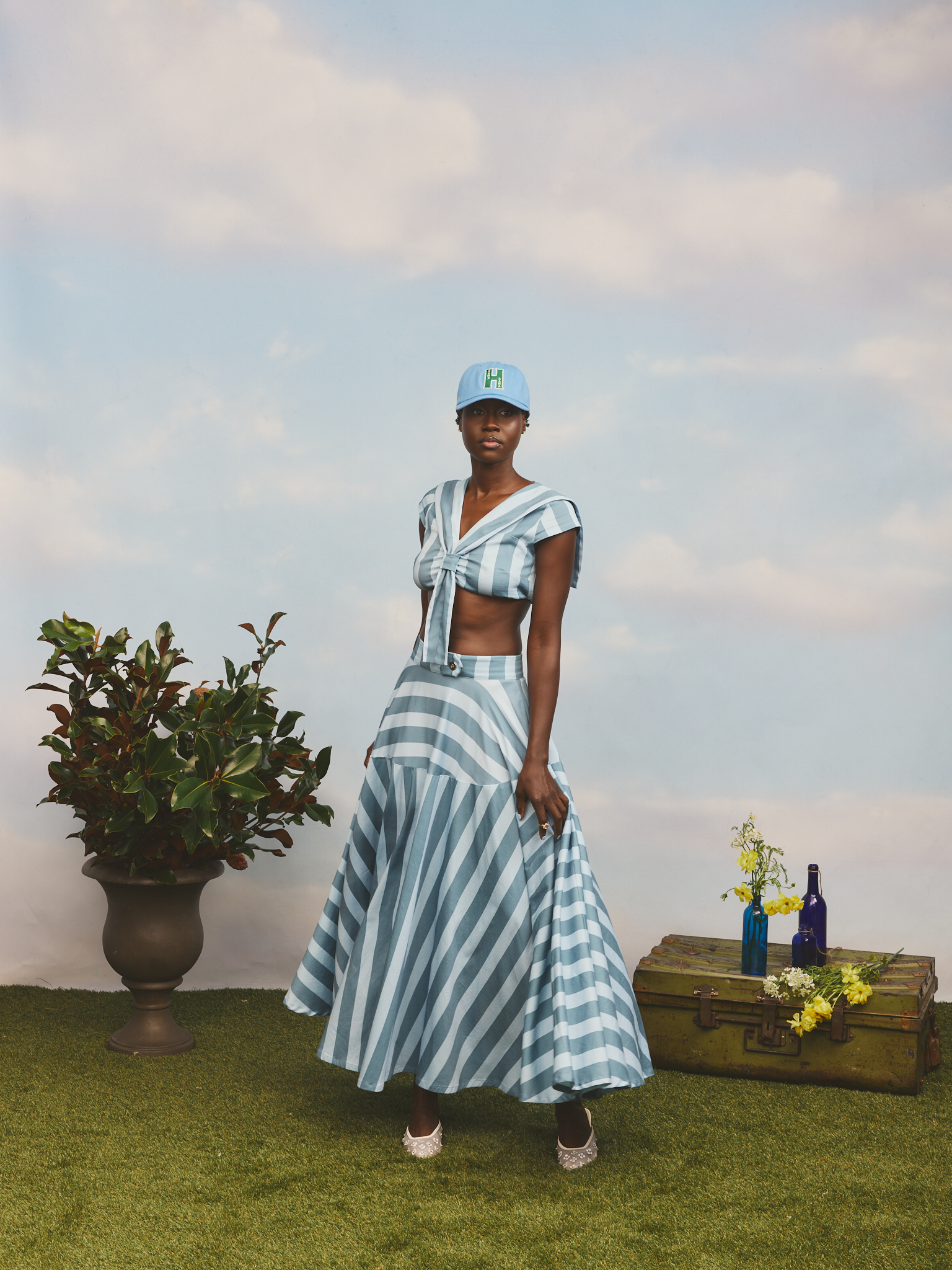
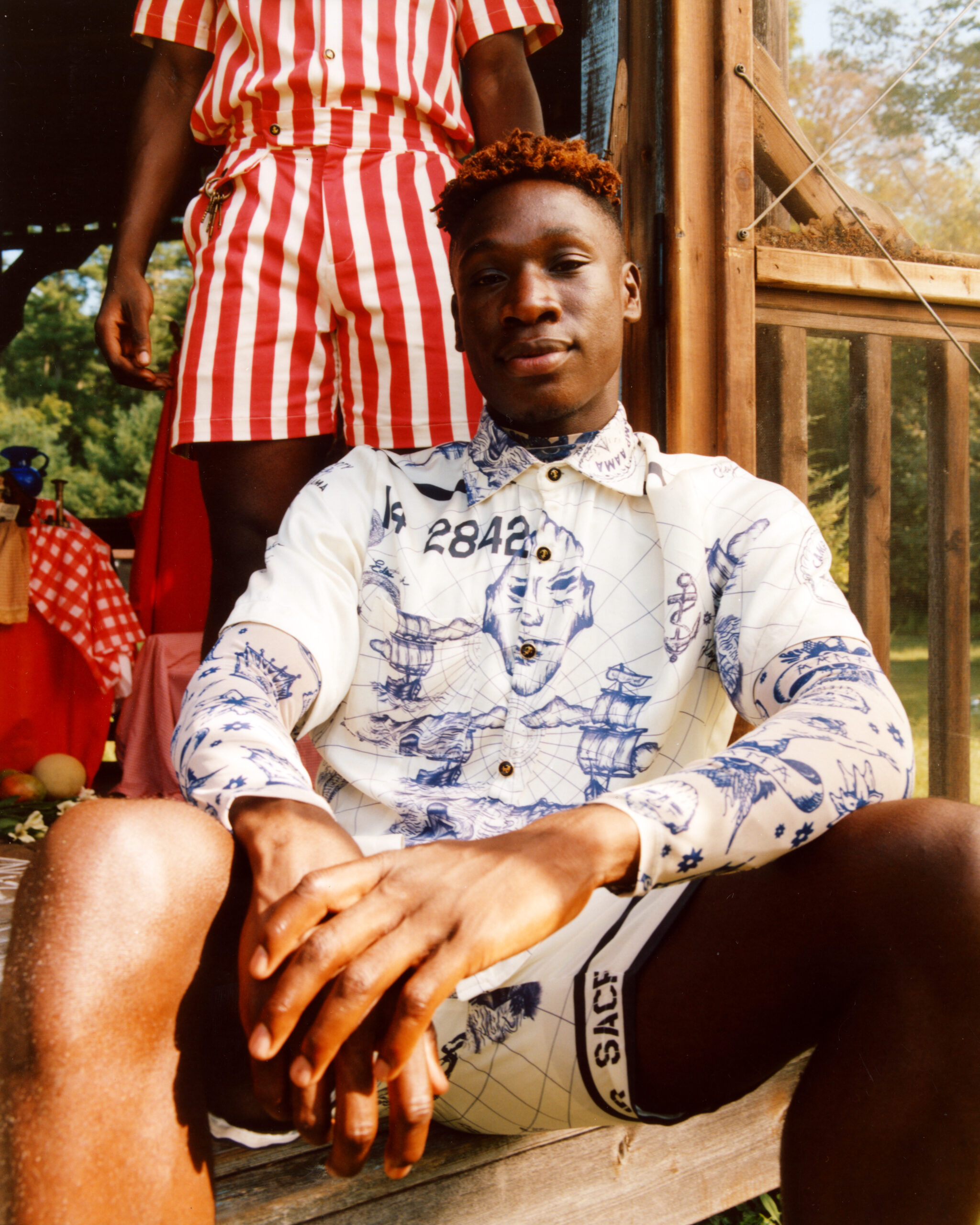
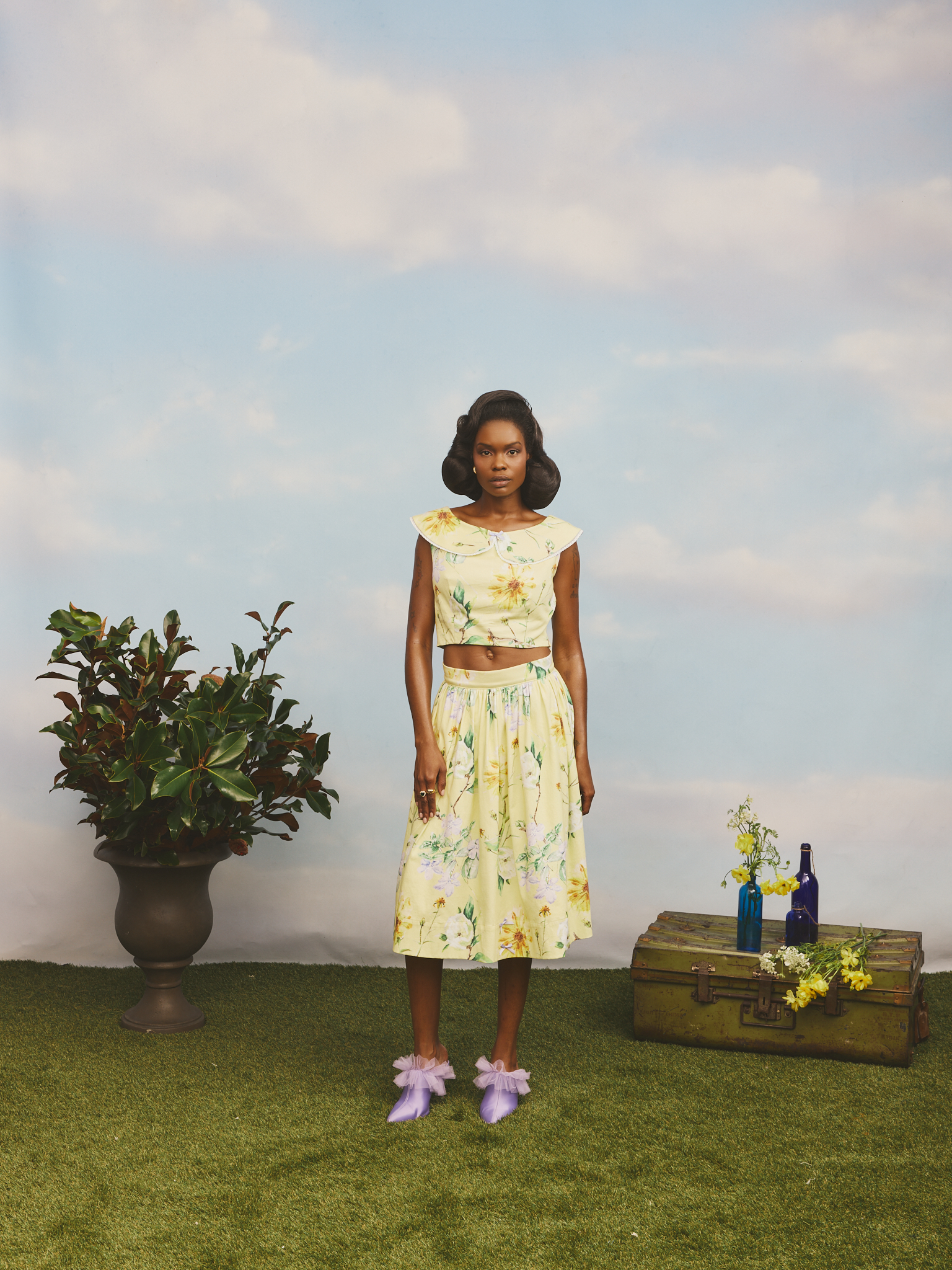
Henry and Shabaka being able to build this brand as a mother-daughter duo is what also makes House of Aama so special, and allows the two to live out their purpose together.
“We are mother/daughter, but we are also business partners. Because of that, we aren’t always in the mother-daughter role,” said Henry. “Working with family, it takes a certain amount of sensitivity…Akua is my legacy. There’s a certain amount of responsibility that we feel to the tender moments and the information that we’ve inherited.”
Being from different generations and working together, in arguably the most intimate relationship, takes love, trust and humility. A mother and daughter relationship is spiritual and physical, mirroring who you are to your very core. To be known fully and wholly is to be loved.
This duo knows each other deeply. They know what makes them tick, what their interests are, and continue to grow in their relationship beyond familial ties, with a professional endeavor woven into the foundation of their day-to-day lives.
“What keeps me going is that it is a family business. It’s a legacy business, and is it easy? No, it’s not always easy,” Henry continued. “We have a larger mission than just ourselves that we’re working towards, and I think that helps to smooth over the rough times and the difficult times. Because we do have a mission and purpose in life, and we do have a mission and purpose with this brand.”
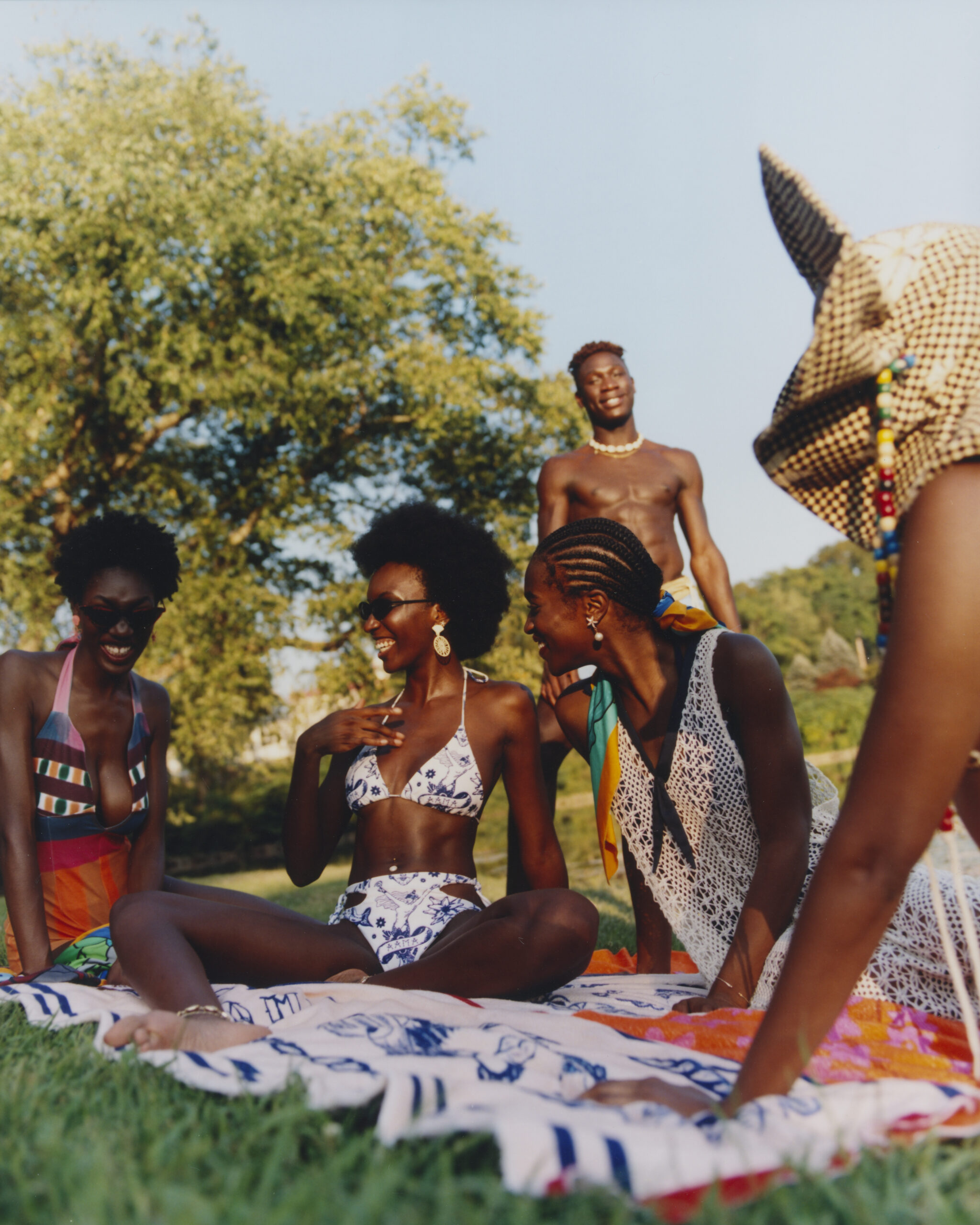
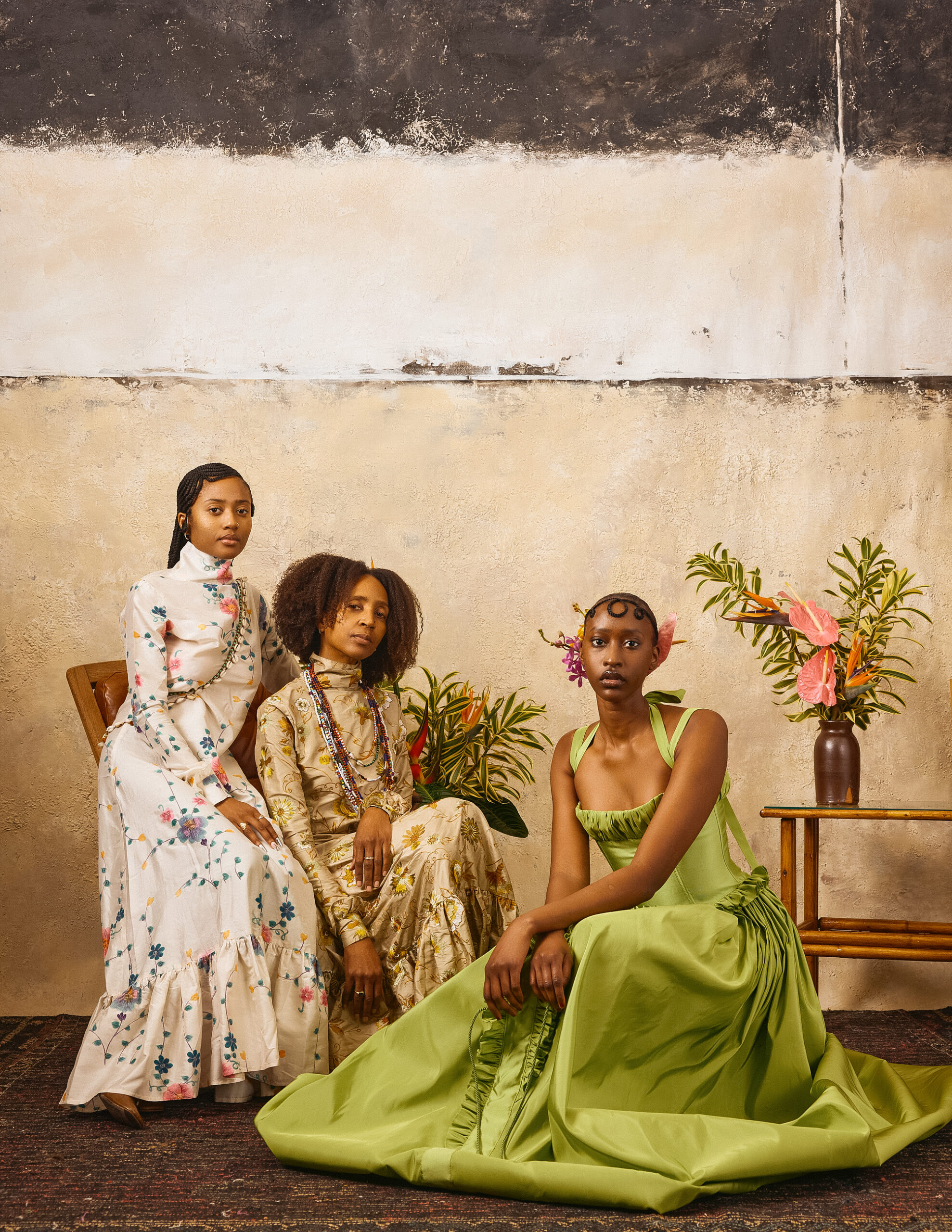
The gift of the duo’s purpose extends beyond just themselves and their core fashion community. House of Aama will headline at the Color of Fashion Season VI runway show on August 22. The night prior, the mother-daughter duo will host an intimate panel conversation and shopping experience called Friends of Aama on August 21 at the Denver Art Museum. Guests can expect a film screening that offers deeper insight into House of Aama’s story, followed by an intimate conversation with the designers that explores the inspiration, history and philosophies that shape their work.
For this mother-daughter duo, bringing stories and talents to Denver, Colorado, is an opportunity to expand and reach a whole new audience who’s excited about high-fashion in The Mile High City.
“I’m curious about being in the city, discovering the fashion scene, bringing our storytelling narrative to the Colorado audience, and being in an environment that is not necessarily known to us,” said Henry.
For a community that is fashion curious and desperate for more outlets of expression, this is a show and a story that the Denver fashion scene won’t want to miss out on. Experience this archival brand during their Denver debut on Saturday, August 22. Get your tickets to Color of Fashion Season VI located at Hyatt Centric Downtown Denver.

Jordan McClendon
Located in Denver, Colorado, Jordan is a multi-talented individual passionate about content strategy and communications. Jordan's creative drive led her to The Fashion Institute of Design and Merchandising in Los Angeles where she obtained a degree in fashion design. Eager to learn more about media and the editorial world, Jordan also received a degree in Communications. After graduating Jordan spent two years crafting her social media and strategy skills at numerous beauty, haircare, F&B, and lifestyle companies. Jordan is thrilled to now work in PR where she can combine all her love affairs with strategy, social media, and media relations as well as learn new skills to take on while navigating the world of PR.
1 Comment
Comments are closed.
Pingback: Color of Fashion Is Forming Denver's Fashion Identity - The Curio Cabinet