

Becoming Cool with Being Queer with Chelsea Cutler
If you grew up listening to heartbreak music, you know exactly who Chelsea Cutler is. And if you’re anything like me, you can remember a far away memory of crying in the car to You Were Good to Me by her and Jeremy Zucker about a boy that you now barely remember.
And just like us, Cutler with age has gone from sad girl to grown girl who now knows a lot more about love, sexuality, and what coming of age looks like, and her new album IS THIS THE END? proved just that.
In honor of the album’s release, I joined Universal Music Group’s culture marketing team, °1824, to speak with Cutler to get the inside scoop on her new sound and how it came to be.
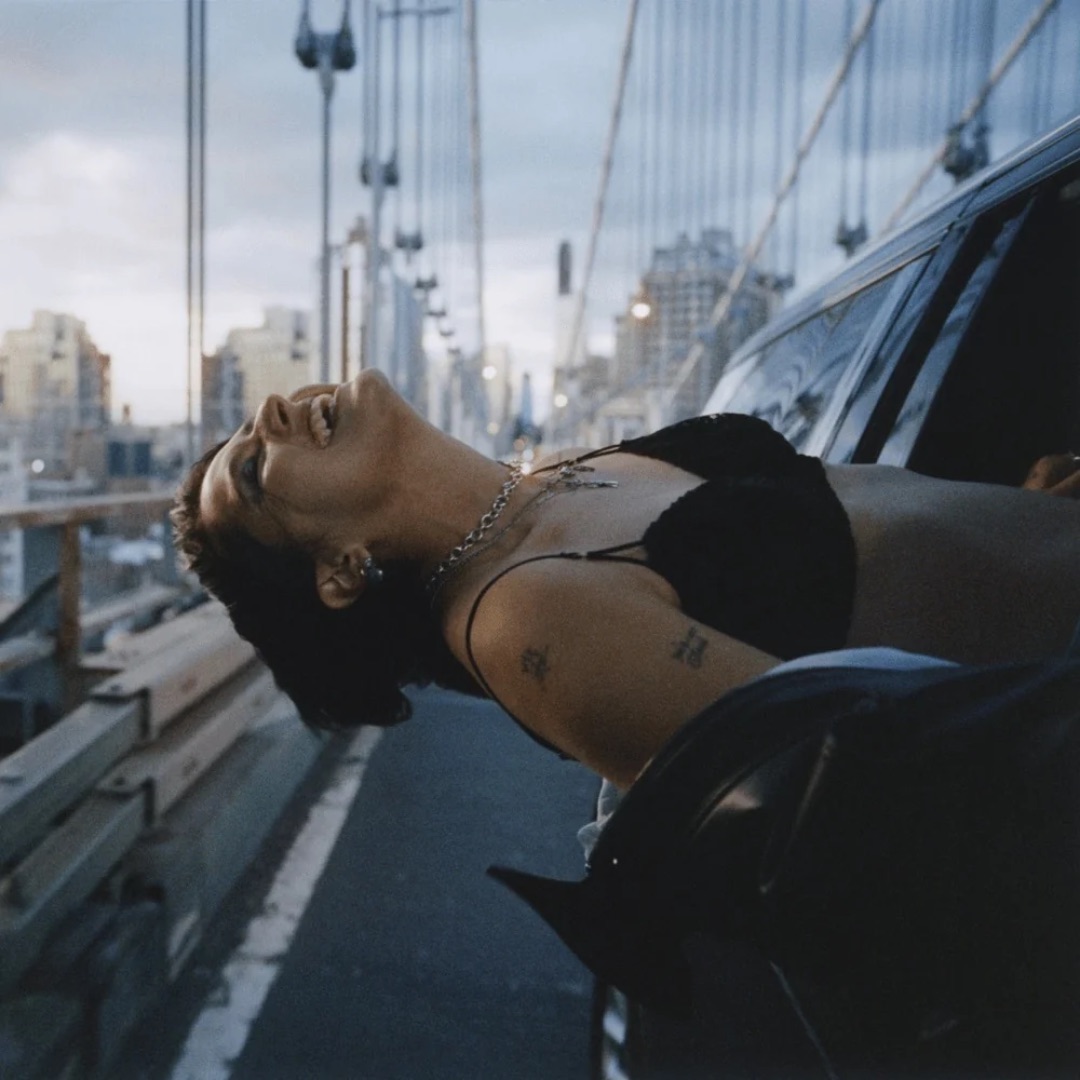
If you haven’t listened to the album yet, you need to. But to catch you up to speed, it’s a totally different sound than what Cutler fans are used to, leaving the heartbreak at home and instead exploring what it feels like to fall in love, kiss a girl, and even fall into love (or limerance) with her, as explored in the song SORRY I’M OBSESSED WITH YOU.
At first listen, you might just consider this Cutler’s rebrand era, but really, we’re listening to the story of her self-discovery as a newly open queer person and navigating what that looks like as she goes through her Saturn Return.
On a recent podcast episode of For the Girls with Becca Moore, Cutler admitted that this wasn’t entirely a rebrand, but a step towards authenticity. Her friends and family always saw her as this very wholesome girl, and her fans saw her as a sad girl who wrote heartbreak songs about boys. But as she ventured through her 20s in a plethora of parties, sex, drugs, and falling in (and out) of love, Cutler’s identity made a shift that she felt important to affirm through her art.
“My music is a place I wanted to reclaim. My queerness, feeling liberated, being attracted to women… and re-establishing my attraction to myself. Just being cool with being queer,” Cutler told Becca.
It isn’t just a new sound, but a reflection of a new era for Cutler. And on this journey of becoming cool with being queer, Cutler was able to express and affirm this new identity in many ways outside of her music.
Cutler has used her fashion taste as a way to present the new her. With a deeper sense of personal style that reflects her new identity, you can tell one thing by looking at Cutler: That’s a girl who now knows who she is.
During recent events and red carpets, Cutler has unleashed a spunky, grunge style of blazers, ties, and baggy clothing.
In her recently launched Substack publication, Cutler has taken up writing, even naming her articles after songs from the new album. In her series of personal essays, she not only gives us deeper context to what experiences inspired her songs, but she takes us on the journey of her self-discovery that brought her to this point.
“Next thing I knew, I was sneaking out of a dude’s hotel room and Googling how not to get pregnant for the first time since I was twenty-one. Moral of the story: I am not for the boys, even if the boys are for me (I looked soooo pretty in my dress). Hey, at least we got confirmation that your girl likes girls!”
And in her music, she’s turned the heat up, especially in the must-watch music video for SORRY I’M OBSESSED WITH YOU, that features Cutler and two female love interests, including the very own Becca Moore (and spoiler: this wasn’t their first time kissing), where things get extra hot and steamy.
“Being able to talk about sex… and even being that intimate on camera and wanting to do that type of stuff, to me that’s vulnerability and that’s authenticity,” Cutler admitted to Becca. So maybe this isn’t Cutler’s rebrand era, but her truly authentic era.
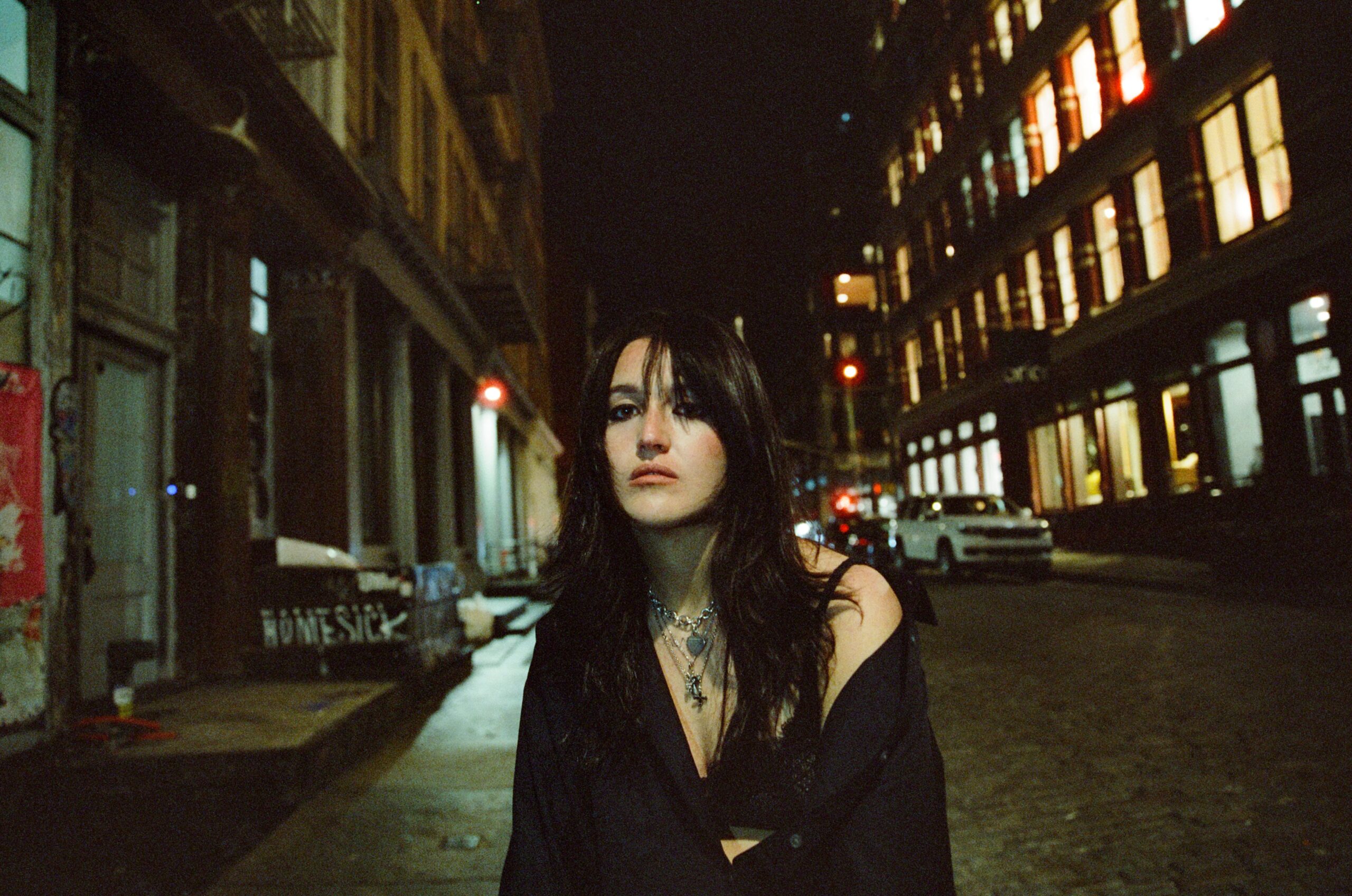
For Cutler, it was made clear that translating her queerness through her music and writing wasn’t just an act of affirming her own identity, but was also an intentional act to create a space for queer representation in the music industry.
You see, earlier in the year, Cutler wrote a song for Hayley Kiyoko’s movie Girls Like Girls that was based off the 2015 song that had sentimental value to Cutler. In her Substack essay, Cutler reminisced on the moment she heard the song for the first time as a teenager, realizing that she rarely heard songs about girls kissing girls. 10 years later, look at her now.
“I couldn’t help but tear up thinking about how many teenagers and young adults will hopefully get to see their experience reflected in this movie. When I was in high school and college, I was desperate for any kind of queer visibility. Even now, there are so few examples of queer representation in mainstream cinema, and even fewer if we’re just looking at films about high schoolers,” Cutler wrote in Girls Like Girls.
So of course during my conversation with Chelsea Cutler, I wanted to know if queer representation is important to her as a singer and writer, and how it affects her artistic decisions. Here’s what she had to say.
“Going through a breakup causes you to center yourself in a lot of ways and causes you to decenter yourself,” Cutler started.
You see, over the course of the session, she was able to meditate on how expansive her breakup was for her new perspective on love, life and self.
“You get cold water splashed on your face and you realize, ‘Oh my god, the world is so much bigger than me and this thing I’m going through.’”
“So after that happened, I became just a little bit more interested in using my platform to lean into my queerness and explore that and hopefully be a representative where I can for people who are looking for examples of that in media.”
Cutler went on to explain that in her most recent album, in her writing, and in her presentation of style and self as an artist, queer representation was definitely intentional, but it also became natural as she figured out her sexuality for herself for the first time in her life.
She smiled and took a second of reflection before adding, “I think I always perceived my sexual orientation as being this ancillary characteristic about me and the older I got, the more strongly I feel proud and the more strongly I feel about helping other people embrace and feel proud of it,”
Cutler’s final thought on the matter is that to her, pride shouldn’t be a passive ‘oh yea, I’m queer,” but instead a “this is sick, I’m so glad that I am [queer].”
And with that being said, I would call her mission of becoming cool with being queer a mission complete.
As an old Chelsea fan who loved her for the sad music, but loves her now for the music that takes a different perspective on love, sex and everything in between, I learned one thing: Love doesn’t always have to be a sad thing. Heartbreak comes with it sometimes, but what follows is a lot bigger: Learning who you are, falling in love, and finding romance in all types of people and experiences that you might not expect it.
Listen to IS THIS THE END? on all platforms now.
POST COMMENT