

Denver’s Matcha Moment: The Green Drink’s Evolution From a Wellness Trend To a Daily Ritual
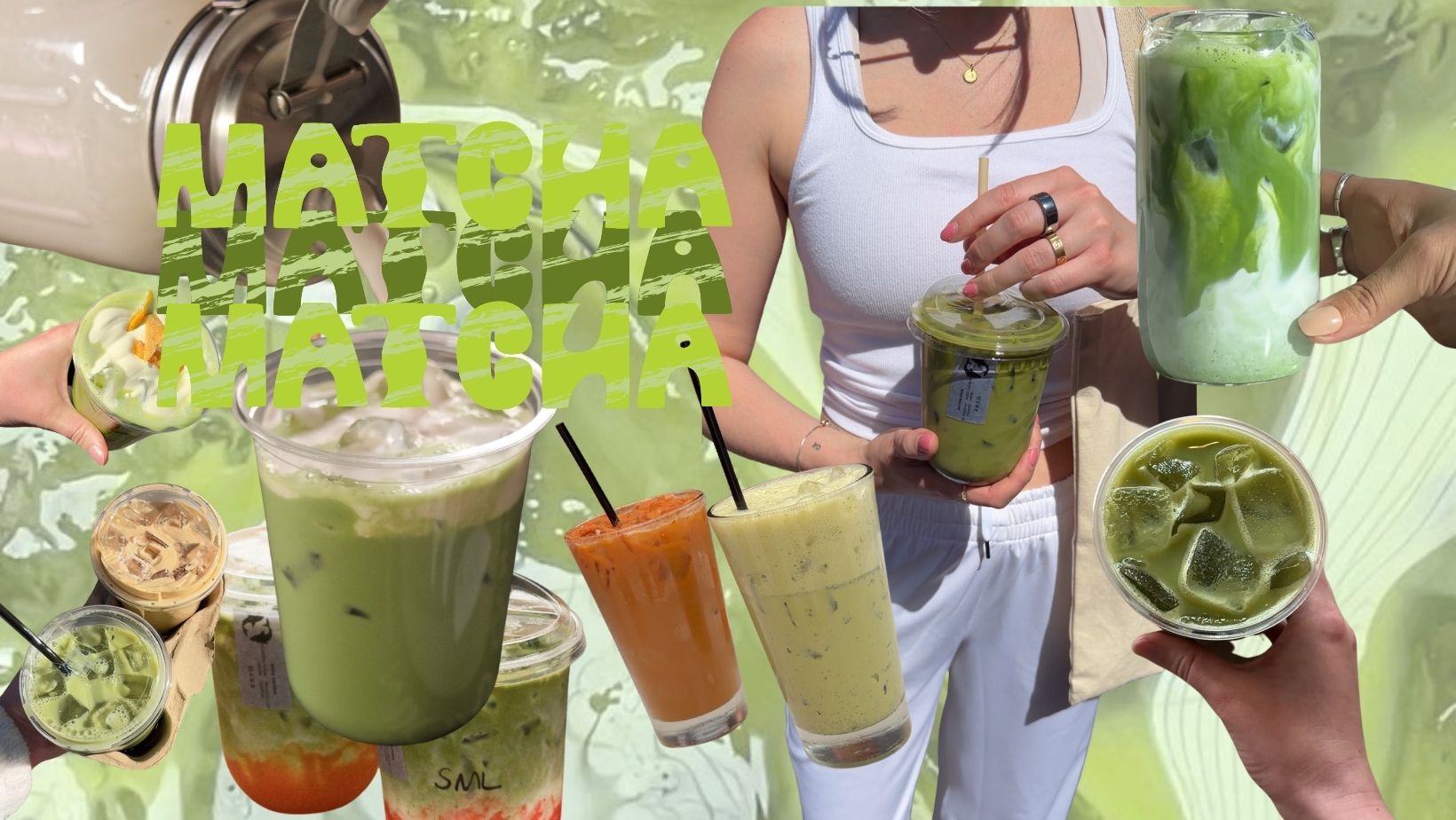
A few years ago, ordering a matcha latte felt like a niche choice. Today, it’s difficult to walk into a Denver café without finding multiple matcha options on the menu, from strawberry and banana bread-inspired specials to carefully layered drinks topped with cold foam.
What started as a wellness trend has evolved into something much bigger. Across Denver, matcha has become part of daily routines, influencing how cafés develop menus along with how customers discover new spaces and spend their mornings.
Now, matcha is more than a drink; it’s become a ritual built around flavor, creativity and community.
For years, matcha was primarily marketed as a healthier alternative to coffee. Its slow-release caffeine made it popular among consumers looking for sustained energy without the crash. While those benefits still matter, they’re no longer the primary reason many people are ordering it.
Today’s matcha drinkers are just as interested in the experience as they are the wellness benefits. The drink has moved beyond health culture, becoming a fixture of café culture itself.
“If coffee culture has long been associated with productivity, ambition and staying busy, matcha feels more aligned with mindfulness, wellness and slowing down,” said Denver content creator Caitlin Kiss. “It’s less about powering through the day and more about creating intentional moments within it.”
That shift reflects a broader cultural change. Rather than constantly looking for ways to do more, many consumers are seeking small moments of enjoyment throughout the day. Matcha just happens to fit perfectly into that mindset.
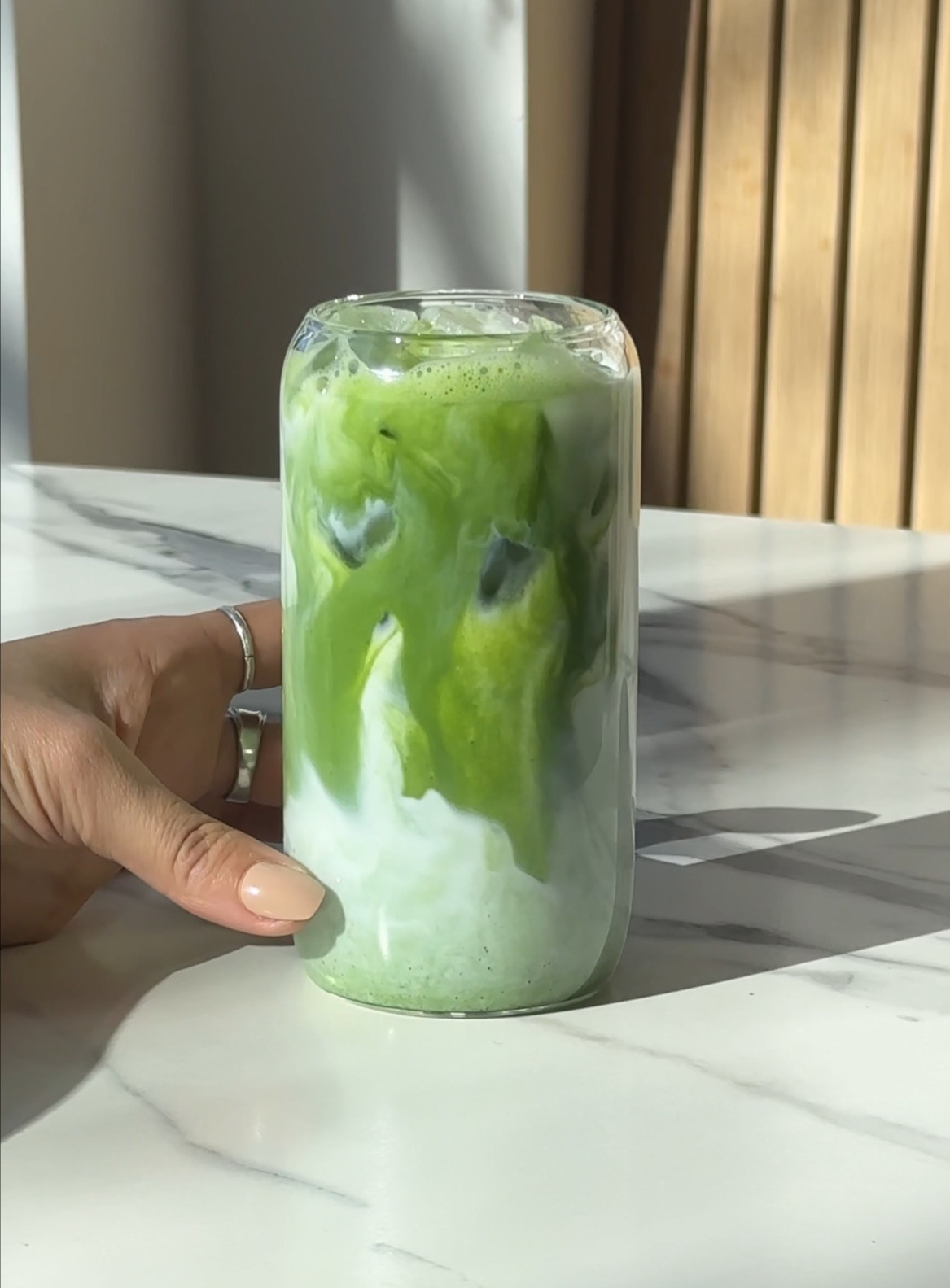
For years, coffee has been tied to productivity, hustle and performance. Matcha, by contrast, feels more playful. It can be ceremonial and intentional, but it also leaves room for experimentation.
“Third-wave coffee culture turned an everyday beverage into a highly technical, high-stakes art form where customers sometimes feel judged for wanting a flavor syrup or alternative milk,” said Amy Brown and Qian, founders of Mako Matcha, a Denver-based company founded at the Cherry Creek and Highlands Farmers Markets. “Matcha bypasses that stigma. It inherits the deep history and mindfulness of traditional Japanese tea rituals, but leaves room for modern playfulness.”
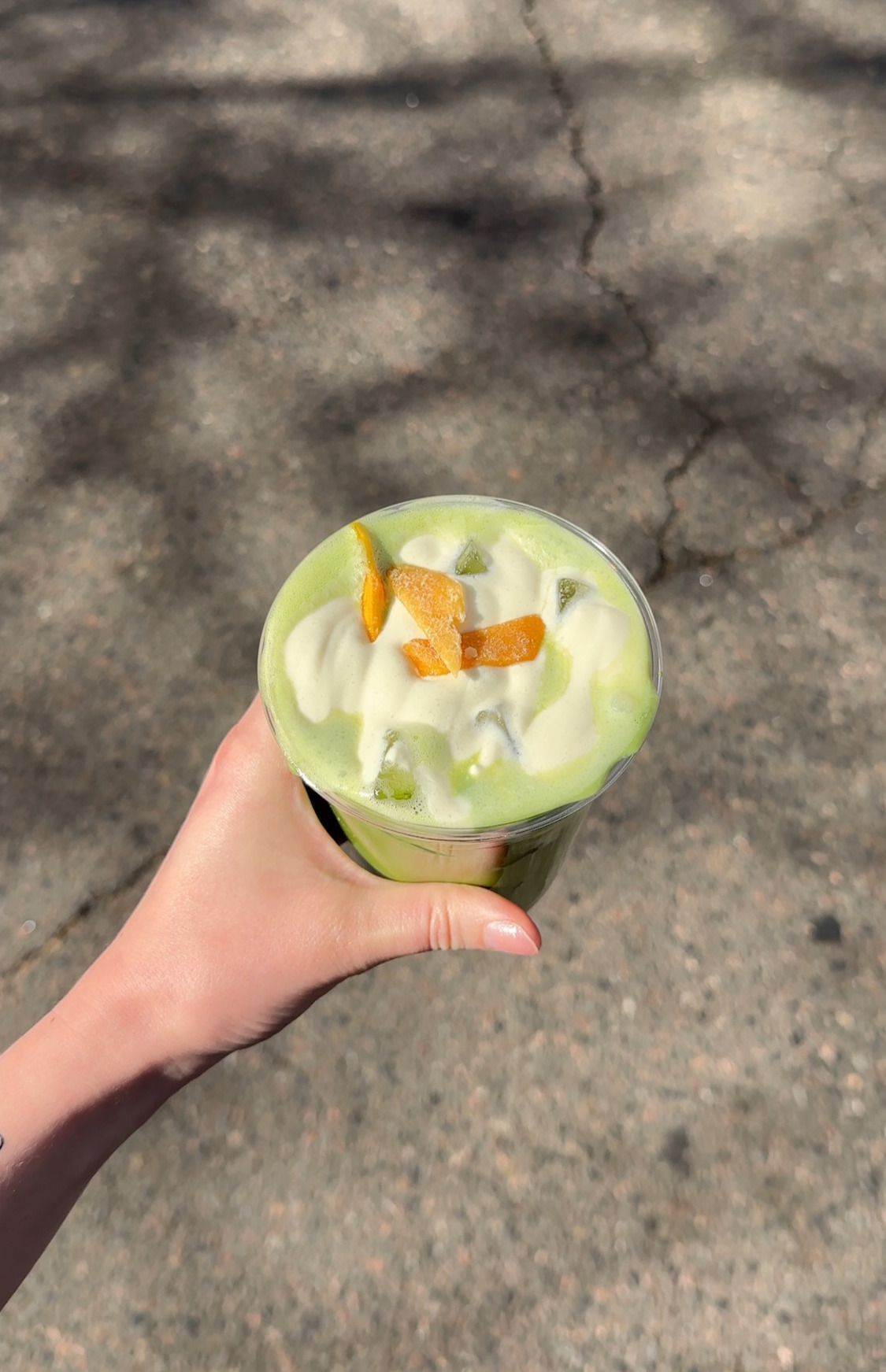
At Mako Matcha, that playfulness shows up through seasonal drinks inspired by Colorado ingredients, from Larimer County honey to Palisade peaches sourced from nearby farmers’ market vendors. But it also appears in the experience of ordering the drink itself.
“Our customers love watching the preparation process of matcha at our stand,” Brown said. “Whether it’s seeing the vibrant green matcha hit a cup of iced milk, or the way they can individually taste the fruit jam at the bottom, or a floating cream top. The visual layers mirror the tasting experience of appreciating the distinct components before mixing them together.”
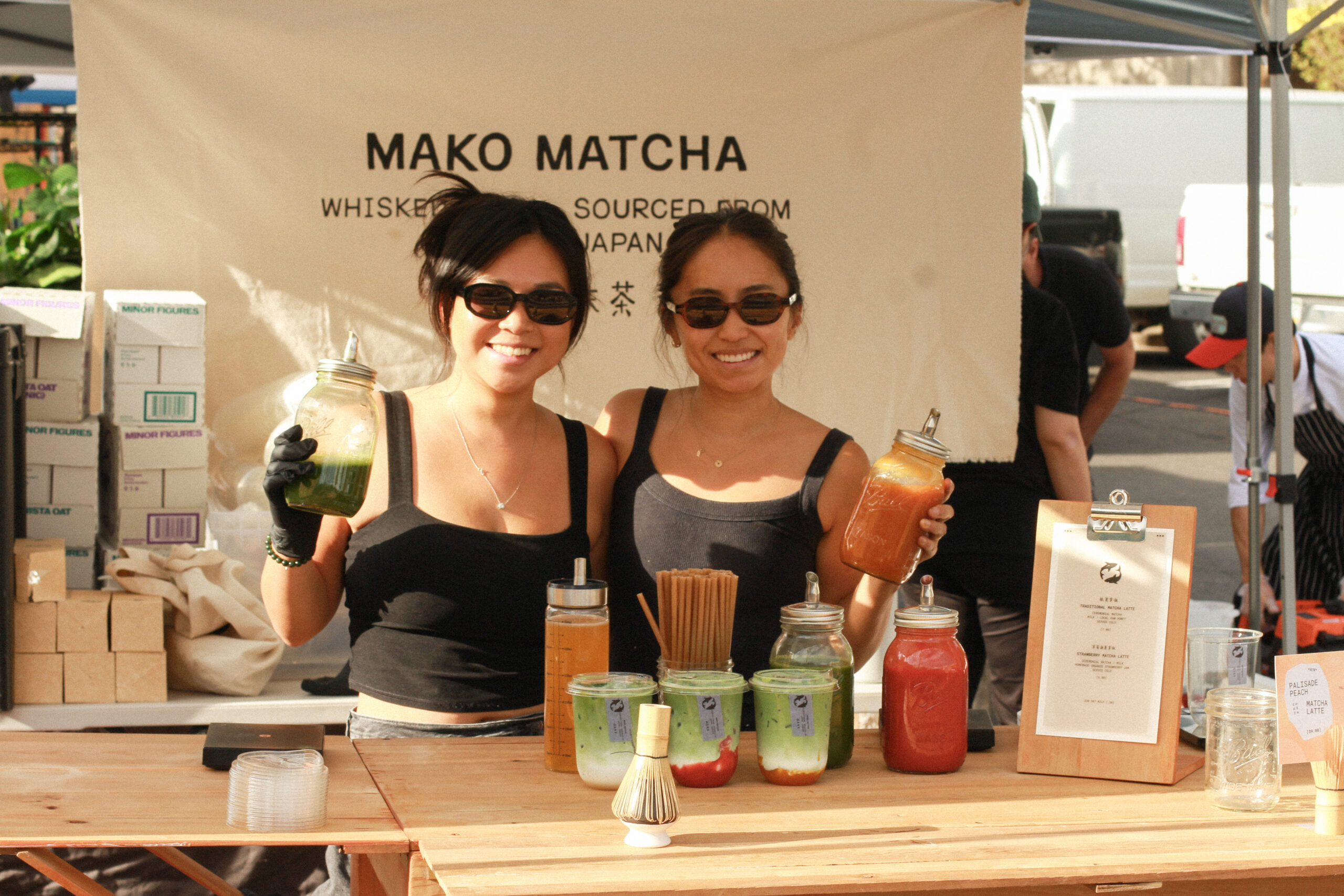
The ritual begins before the first sip. Customers gather around to watch drinks being whisked, poured and layered, turning what could be a simple caffeine order into a small moment of anticipation. In a city increasingly drawn to experiences, that sense of ceremony may be part of what makes matcha so appealing.
That flexibility has helped transform matcha from a wellness drink into a creative medium for cafés and consumers alike. Whether it’s a simple ceremonial-grade matcha or a peach-infused seasonal creation, the drink allows people to participate in a ritual while still making it their own.
At Migas Coffee, creativity plays a major role in developing new matcha drinks.
“Taste is the primary consideration when creating new flavors and specials,” said Marisol Jurado of Migas Coffee. “We like to use each season to rotate through fun and flavorful ideas, and we lean on our team and their creativity to make new drinks.”
As a result, matcha menus have become increasingly inventive. Strawberry matchas, peach matchas and other dessert-inspired creations have become common as cafés look for new ways to stand out, especially as customers continue looking for something different.
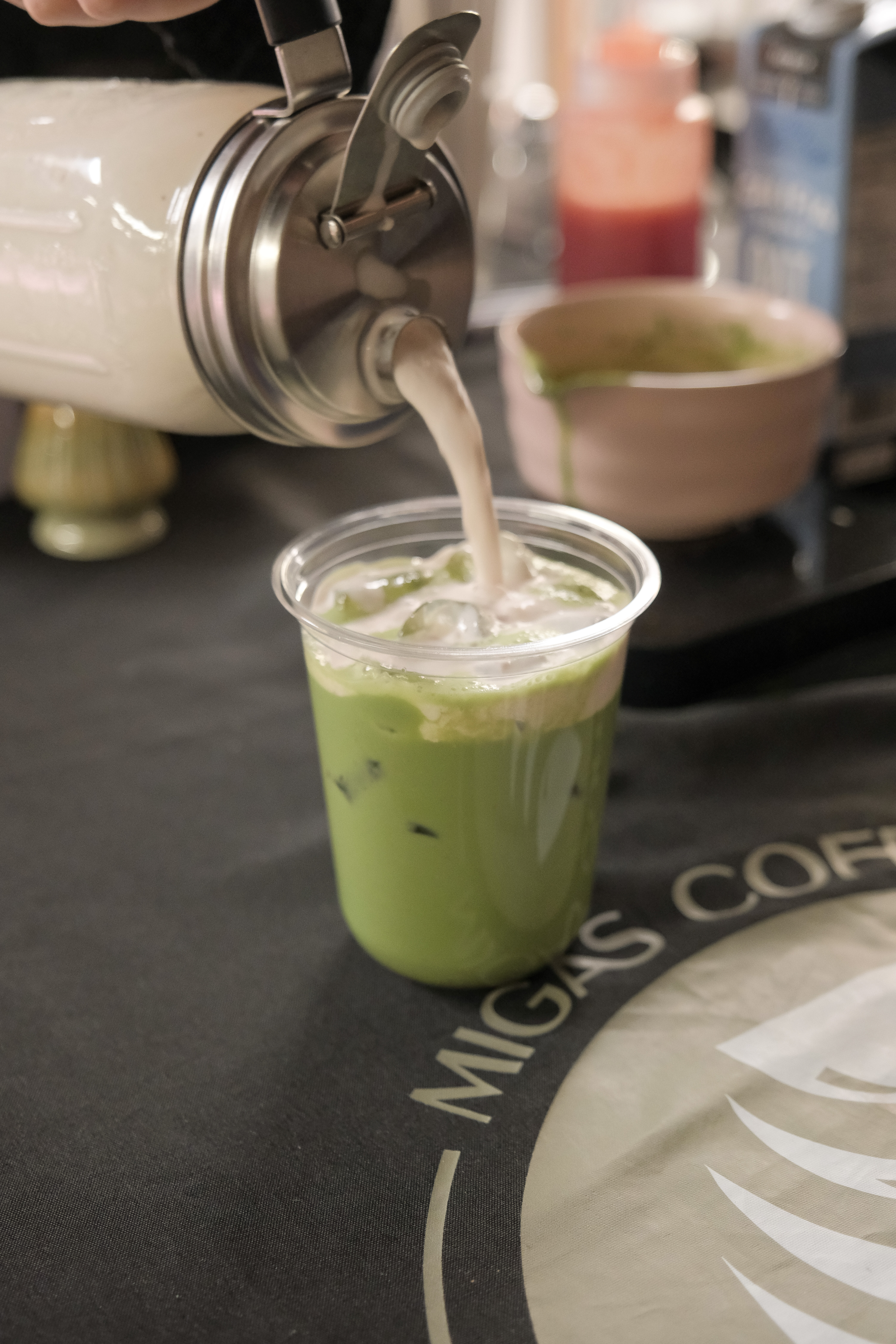
“Customers are more likely to try something new when a coffee shop has a seasonal menu or introduces a new drink,” Jurado said.
That willingness to experiment has helped transform matcha into one of the most creative categories in Denver’s café scene.
Its popularity also feels uniquely suited to Denver. The city has long embraced wellness, outdoor recreation and independent coffee shops, creating an environment where matcha naturally thrives.
“I think people in Denver tend to be pretty interested in wellness and intentional living,” said Kiss. “Matcha sits at the intersection of wellness and aesthetics. It aligns with the city’s active lifestyle while also offering the visual appeal that performs well on social media.”
Denver creator Ana Terpstra agrees.
“I think Denver already has a strong coffee culture, but matcha fits into that wellness lifestyle that is very Denver-coded,” she said. “People are craving experiences and third spaces more than ever.”
As cafés increasingly function as gathering places rather than simple grab-and-go stops, matcha has become part of the experience. Ordering a thoughtfully crafted drink, spending time in a favorite café and connecting with friends have become just as important as the beverage itself.
Social media has only accelerated that growth. Matcha’s vibrant green color, layered presentation and endless flavor possibilities make it uniquely suited for platforms like Instagram and TikTok.
“I feel like social media has completely changed the way people discover matcha,” said Terpstra. “One person can post about a matcha and suddenly everyone in the city is going to go try it.”
Presentation has become an important part of the experience. According to Jurado, customers often look for bright green matcha, layered drinks and visually striking presentations. In many cases, aesthetics are what initially capture attention.
Still, appearance alone is not enough.
“Aesthetics are the hook, but quality is what sustains the momentum,” said Kiss. “A beautifully presented matcha sparks initial interest, but what ultimately drives people to visit is hearing that the drink actually tastes good.”
That balance between creativity, quality and authenticity is what separates cafés with a genuine matcha culture from those simply following a trend. According to both Kiss and Terpstra, the businesses that stand out are the ones investing in high-quality ingredients, thoughtful flavor development and a deeper understanding of matcha’s cultural significance.
As matcha continues to grow in popularity, it has started to represent something larger than a beverage trend. For many consumers, it reflects a desire to slow down, create rituals and find enjoyment in everyday moments.
“I think with the way things are in the world right now, we’re looking for any way to romanticize our lives,” said Terpstra. “Matcha is about enjoying the little things, being present and treating yourself during the day.”
What began as a wellness trend has become a staple. Whether it’s the excitement of a new seasonal flavor, the comfort of a daily order or the sense of community found in a favorite café, matcha has become more than a drink. It’s become part of how many people choose to move through their day.