


More Than a Muse: Kamalani Shows Us What Happens When Cool Girls Design for Each Other
In an era where trends turn over faster than we can scroll through TikTok, one brand stands unwavering: Kamalani. Launched just February 1, 2026, Kamalani is a brand where every design is made not only to turn the heads of passersbys’ but also to empower the ones wearing them. Founded by Amy Kamalani Narang, a designer who views a sketchbook as a vessel for community impact, the brand is redefining what it means to dress the modern woman with poise, passion and purpose.

Amy Kamalani Narang
While the rest of the industry is trying to keep pace with “what’s trending,” Narang is scaling further, committing her brand to a philosophy of “slow drops” and high-end intentionality. This commitment to craft isn’t a new business strategy; it’s been a lifelong instinct.
At eighteen, Narang sat hunched over her sketchbook, lost in a creative trance that had been her sanctuary since she was three years old (her grandma has the pictures from back then to prove it). While her phone was on DND, Narang’s three best friends waited for an afternoon hangout that never began. Concerned after a few hours, they had walked into her house to see what had consumed her attention. Upon entering, they found Narang engrossed in her sketchbook, pencil clenched in her hand.
It was clear this was a fashion designer deep in her element. Looking at the silhouettes scattered across the floor, their reaction was the spark that would eventually ignite the brand: “Amy, you need to get these made because we want to buy them, and we want to wear them.”
It was in that moment, surrounded by her friends and loose sketches, that the blueprints for Kamalani weren’t just drawn but demanded by the very community they were meant to serve.
Always fascinated by entrepreneurship, Narang got her business degree from the University of Southern California. Unbeknownst to her at the time, this degree would give her the tools to turn her “creative zone” into a career. While she quickly realized that the traditional corporate ladder was one she did not want to climb, the fulfillment she craved couldn’t be found in a cubicle, but in the community she was already in.
For over a decade, Amy has devoted her time and attention to the Big Brother Big Sister program, whose mission is to provide one-on-one mentoring relationships that pair adult volunteers with youth to build a personal support system necessary for long-term success. This mentorship has shaped her perspective on what a successful business should look like. Kamalani was born from the realization that a business could (and should) be a vehicle for giving back.
While her degree provided the structural knowledge for the brand, the heart of Kamalani is found in a process that Narang describes as “backwards.” She begins with the people. She draws her designs, lays them out, and sits with an intimate question: “Who is the woman wearing this?”
“I’ll look at all of the sketches in my design book, I’ll see which one kind of reminds me of that person, and then I’ll try to bring it to life. What kind of colors would she wear? What kind of textures would she like? What fit does she normally look at in her everyday closet and her everyday clothing? And I will kind of model the piece after the beautiful person that I know,” said Narang as she shared about her design process.
It started with the women closest to her—her mother and sisters—and has since expanded into an homage to her five best friends. Each of these women are dominating different corners of the workforce, yet they come together like a sisterhood and have served as living muses for Amy’s collections (while also pulling inspiration from icons like Audrey Hepburn and Princess Diana, two distinct role models in femininity and fashion, of course).
“Empowerment is the name of my game. That’s why I create… because I want the next generation of young people to feel empowered, and I want the current women of today’s society to feel empowered through the designs I create. I want Kamalani to instill this sense of confidence, this sense of poise, and this sense of not having to be too loud or too quiet or too anything because just being exactly who you are in the pieces that you’re wearing should be enough to be a showstopper,” said Narang.
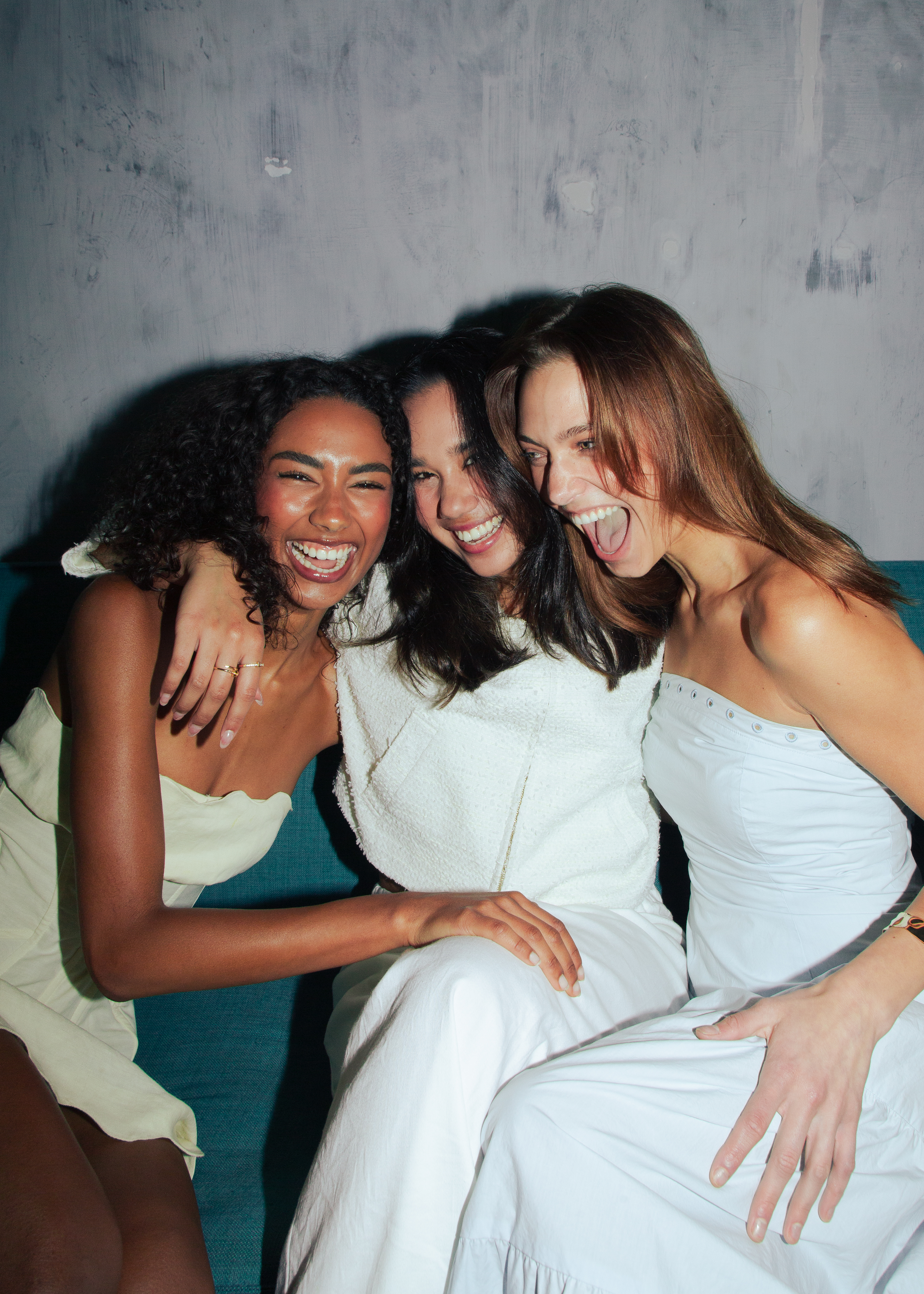
While the designs looked beautiful on a page, they also had to stand up to the lives of the women wearing them. In her first iteration, her friends picked out their favorite outfits, moved to production, and then sold the line. However, she quickly realized the quality did not match the integrity of her sketches. Because her art and the women wearing it deserved better than “good enough,” Narang made the vital decision to pull her manufacturing from China and relocate to an LA-based manufacturer while obtaining fabric from France and beyond. This shift was crucial in reclaiming the coveted and sustainable aspect of the brand.
“It is what makes the brand interesting. It’s not just about the fabric but also the way you sew it,” Narang said.
We asked Narang where she sees Kamalani a year or even five years from now. Her response was refreshing:
“Most fashion companies are hoping to scale 5 years out. The scaling is not going to come through producing more or producing higher volumes; it’s going to come from releasing more collections faster in the same small limited drop… max capacity, I would have one drop every other month,” she said.
While she wants everyone to have the chance to acquire one of her pieces, Narang is determined to create more lines, not more quantities.
For Narang, this slow, intentional growth is what provides the capital for her mission.
“It’s not a business; it’s my art, and I want to share my art with the community.”
This belief manifests in a dedicated percentage model. With every new line, Narang integrates women-empowering or youth-focused non-profits like Big Brother Big Sister to support. For her current collection, it is going to be Working Wardrobes in Orange County, California, which brings her philosophy of empowerment to life. By providing high-quality, professional clothing to individuals entering the workforce, it becomes more than a garment—it’s giving them the ability to know that they truly belong in the room.
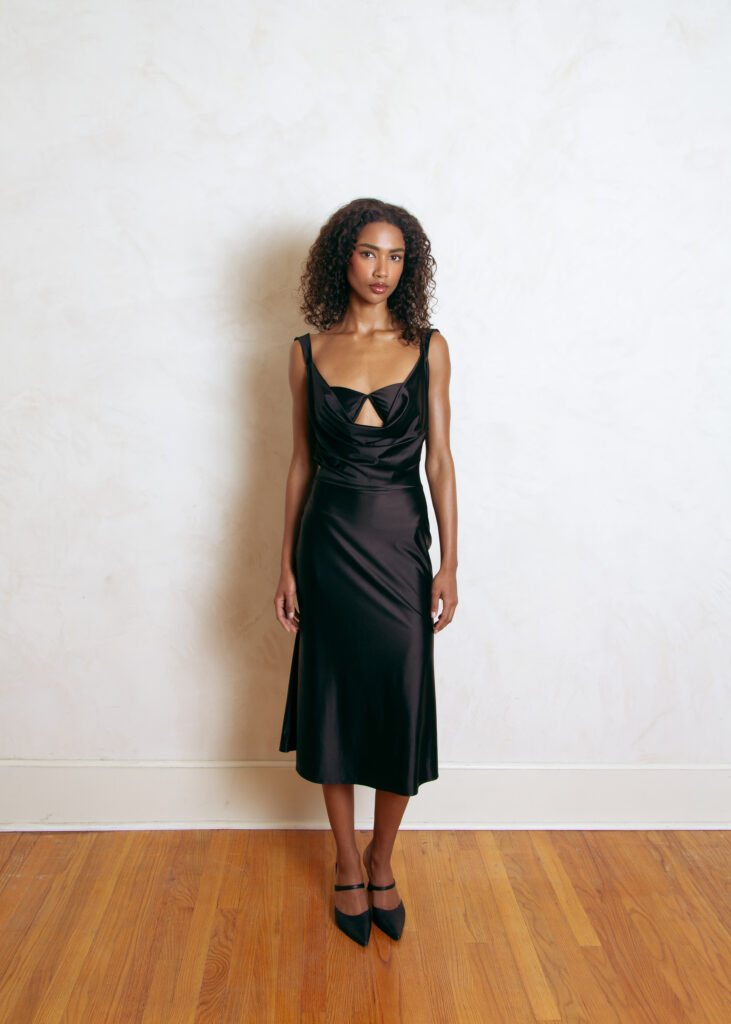
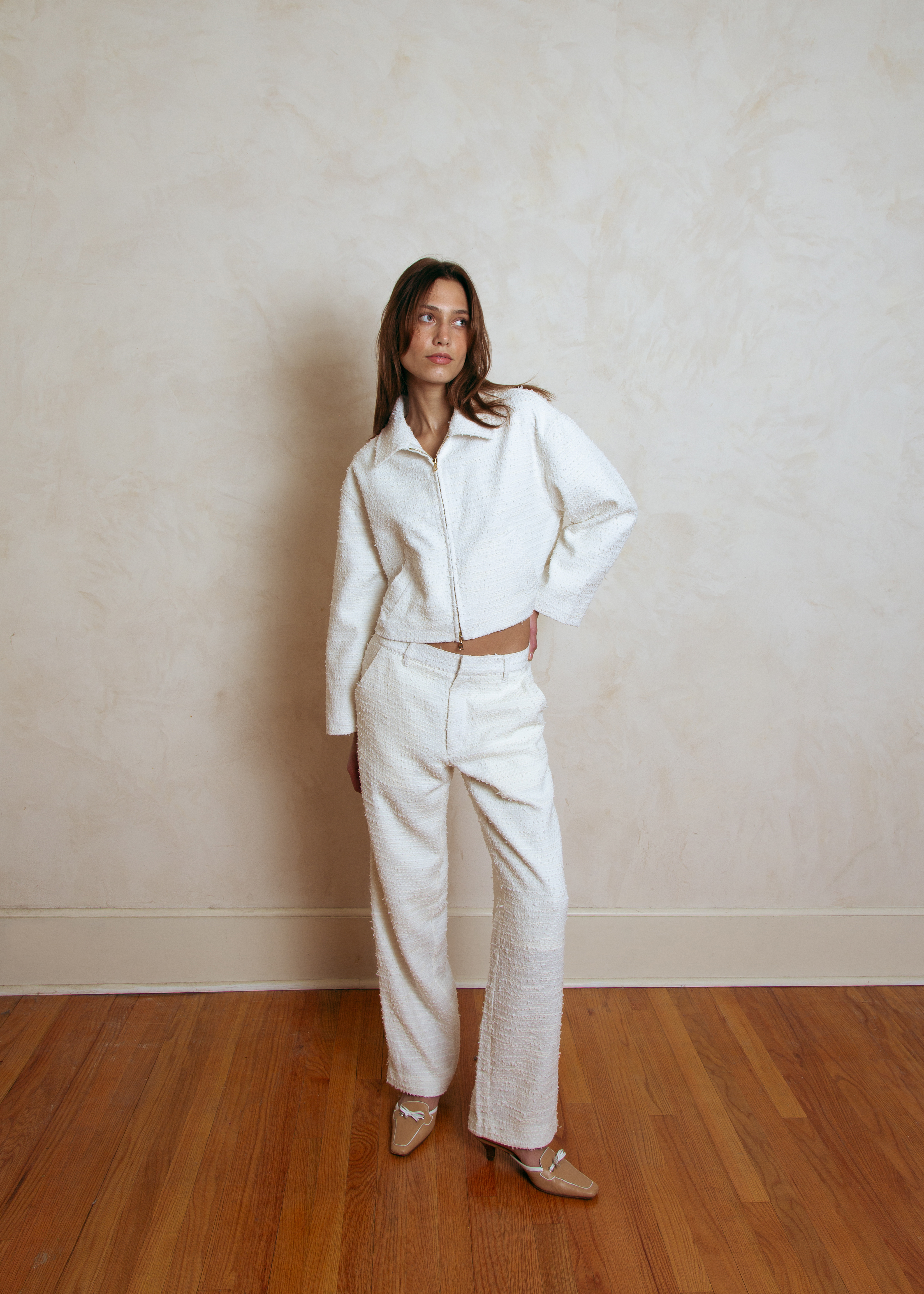
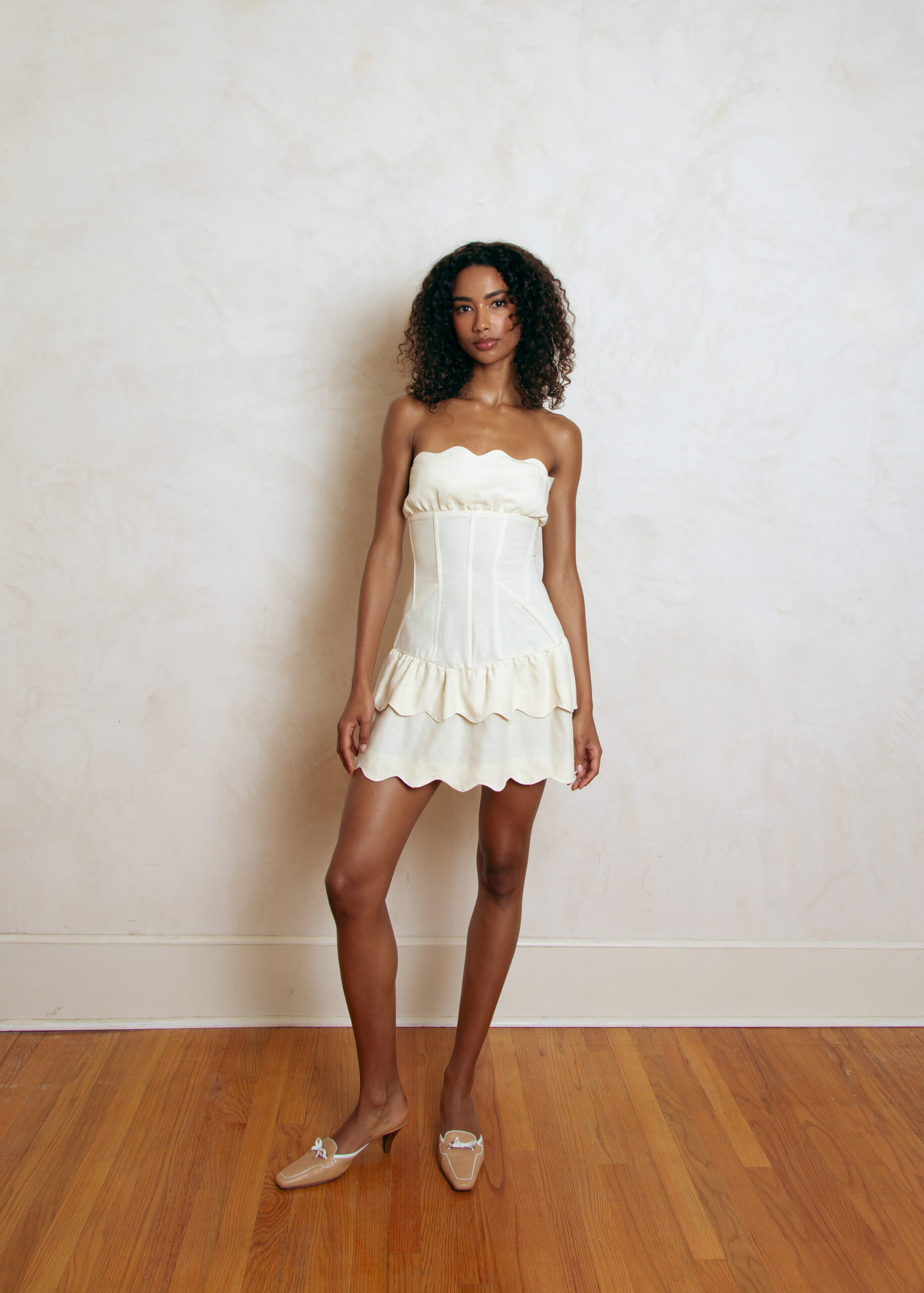
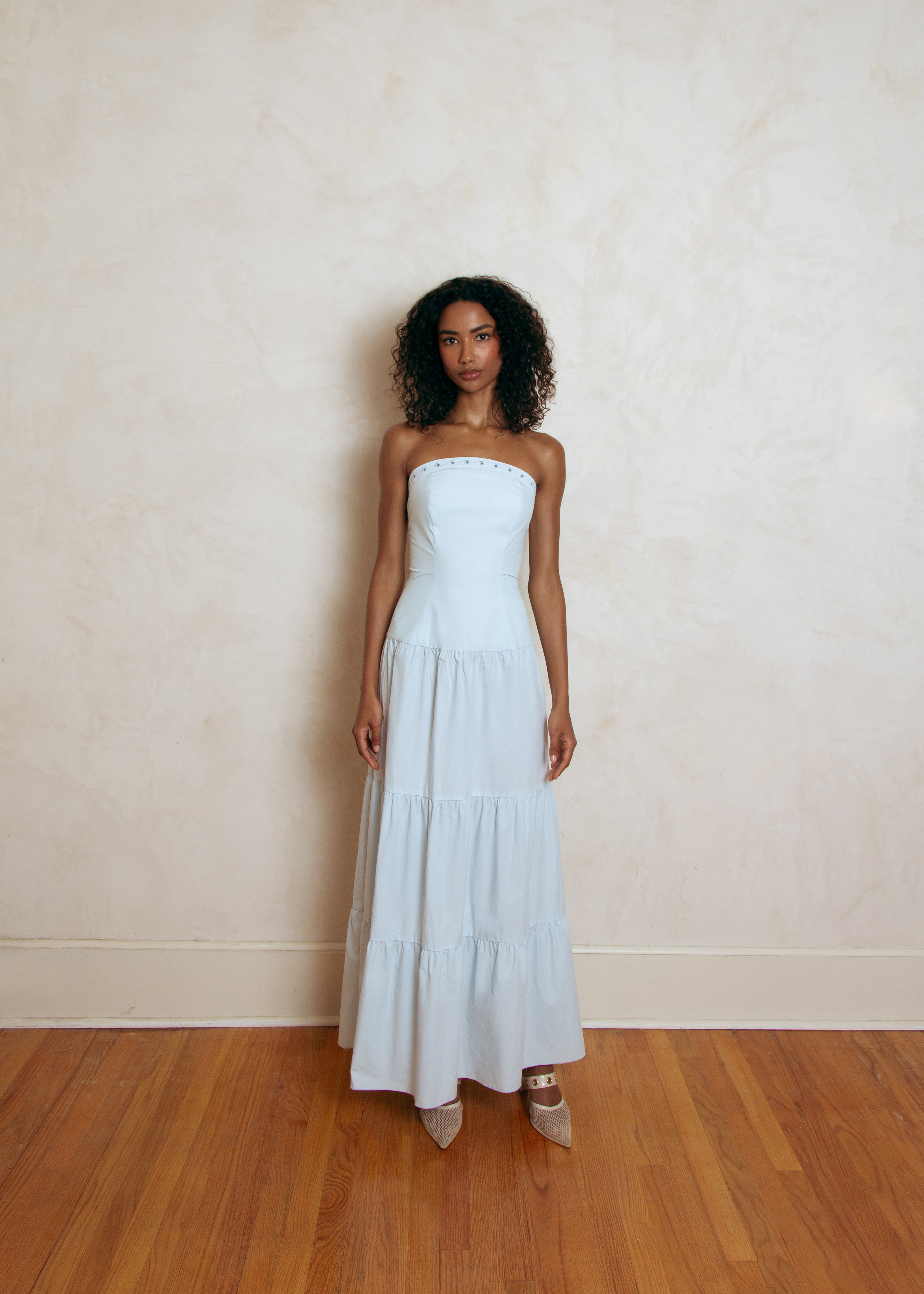
In her eyes, culture is everything. Narang has brought in her best friend, who runs the social media and PR for Kamalani, to build out the brand’s impact strategy. In a world where impact can seem more performative than supportive, Kamalani is doing more. As her team grows, they are devoted to giving not just monetary support but also their time back into the community. Whether it’s through activation events, panels, or direct mentorship, Kamalani is more than a brand and is building a culture where the art of fashion serves as a tool for social mobility. Because “it’s easy to sell trends and things that break, but it’s a trend. It’s not coming from your heart and your mind,” she said.
“Remembering your passion and why you care about the product you are creating is everything. Showing up for you and not just the business is important. At a young age, you have nothing to lose because ambition that is left without action leads to anxiety, and the regret would not be in trying but in doing,” she said.
As Kamalani looks toward a future of more collections and the brand’s first release of higher-end lines, Narang stays guided by these disciplines that have carried her art over the first finish line.
Because in a world that often asks women to shrink, Narang and her muses are choosing to show up, build in public, and prove that ambition, when fueled by passion, is the most enduring trend of all.
Article by: